LED spike lights are becoming increasingly popular in the lighting industry. These lights are typically used for outdoor applications such as garden lighting, pathway lighting, and landscape lighting. They are designed to be mounted on the ground and can be used to highlight different elements in a garden or landscape. LED spike lights are highly energy-efficient, have low maintenance costs, and are environmentally friendly. In this article, we will discuss the features, benefits, and different types of LED spike lights.
Features of LED Spike Lights
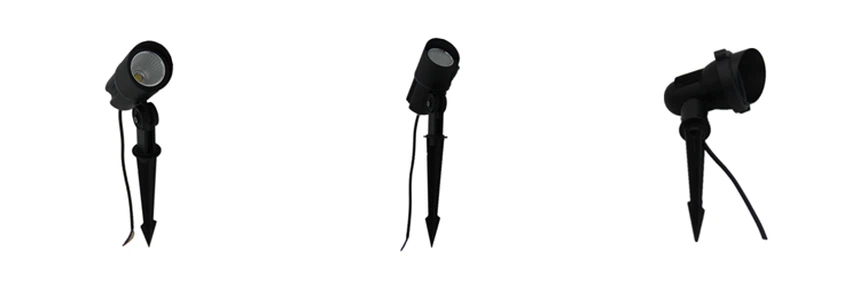
LED spike lights are designed for outdoor applications and are typically made from high-quality materials that are weather-resistant. They are mounted on the ground using a spike that is inserted into the soil. Most LED spike lights are equipped with adjustable heads that can be manipulated to direct the light in a particular direction. This makes these lights perfect for highlighting specific elements in a garden or landscape.
LED spike lights come in various sizes, designs, and colors. Most lights are designed to emit a cool white light, but some models emit warm white or colored light. Additionally, some LED spike lights are equipped with motion sensors that turn the lights on when they detect movement.

Benefits of LED Spike Lights
Energy Efficiency - LED spike lights are highly energy-efficient and can help homeowners save money on their energy bills. They consume up to 80% less energy than traditional lighting systems.
Low Maintenance Costs- LED spike lights have a long lifespan and require little maintenance. Unlike traditional lighting systems, they do not require frequent bulb replacements or repairs.
Environmental Friendly - LED spike lights are considered environmentally friendly as they do not contain harmful substances such as mercury. Additionally, they emit less heat and do not contribute to the production of greenhouse gases.
Different Types of LED Spike Lights
1) Waterproof LED Spike Lights - These lights are designed to withstand harsh weather conditions and are ideal for use in areas that receive a lot of rainfall.
2) High-Powered LED Spike Lights - These lights emit a high level of brightness and are designed for large outdoor spaces.
3) Low Voltage LED Spike Lights - These lights are designed to consume less power and are ideal for use in areas with limited power supply.
4) Solar-Powered LED Spike Lights - These lights are powered by natural light and do not require a power source. They are perfect for use in remote areas and can be used to save on energy bills.

Conclusion
LED spike lights are a popular choice for outdoor lighting applications. They are energy-efficient, cost-effective, and environmentally friendly. They come in various designs and sizes, making them perfect for different outdoor lighting applications. By understanding the features, benefits, and different types of LED spike lights, homeowners can choose the best lighting solution for their outdoor space.


